



CYP2
Cytochrome P450 CYP2 comprises a major branch of the human cytochrome P450 superfamily and catalyzes Phase I oxidative metabolism of endogenous compounds and xenobiotics, thereby contributing substantially to drug clearance and chemical detoxification processes[1][2]. Mechanistically, CYP2 enzymes function as heme-dependent monooxygenases that convert lipophilic substrates into more hydrophilic metabolites, a key biochemical step that facilitates downstream elimination pathways and influences pharmacokinetic behavior[1]. Within drug-metabolizing pathways, CYP2 subfamily members, including CYP2C9, CYP2C19, and CYP2D6, participate in the metabolism of a large proportion of clinically used therapeutics and are major determinants of interindividual variability in drug response[1][2][3]. In disease-relevant and translational research models, genetic variation in CYP2 genes is closely associated with altered metabolic phenotypes, affecting drug efficacy, toxicity, and susceptibility to clinically significant drug-drug interactions[3][4]. Compared with related cytochrome P450 isoforms, CYP2 enzymes are distinguished by extensive genetic polymorphism and substrate selectivity, features that make them central targets in pharmacogenomics and precision medicine investigations[3][4]. For experimental applications, selective inhibitors and substrates are widely used to define CYP2-mediated metabolic pathways, characterize enzyme activity, and evaluate metabolism-dependent pharmacological or toxicological outcomes during drug discovery and development[1][4].
References:
- [1]. Zhao M, et al. Cytochrome P450 Enzymes and Drug Metabolism in Humans. Int J Mol Sci. 2021 Nov 26;22(23):12808. [Content Brief]
- [2]. Zanger UM, et al. Cytochrome P450 enzymes in drug metabolism: regulation of gene expression, enzyme activities, and impact of genetic variation. Pharmacol Ther. 2013 Apr;138(1):103-41. [Content Brief]
- [3]. Zhou SF, et al. Polymorphism of human cytochrome P450 enzymes and its clinical impact. Drug Metab Rev. 2009;41(2):89-295. [Content Brief]
- [4]. Peter EK, et al. A Hybrid Hamiltonian for the Accelerated Sampling along Experimental Restraints. Int J Mol Sci. 2019 Jan 16;20(2):370. [Content Brief]
-
CYP2 Related Products (144)
Related Products (144)

-
Antibodies (1)
-
1-Aminobenzotriazole
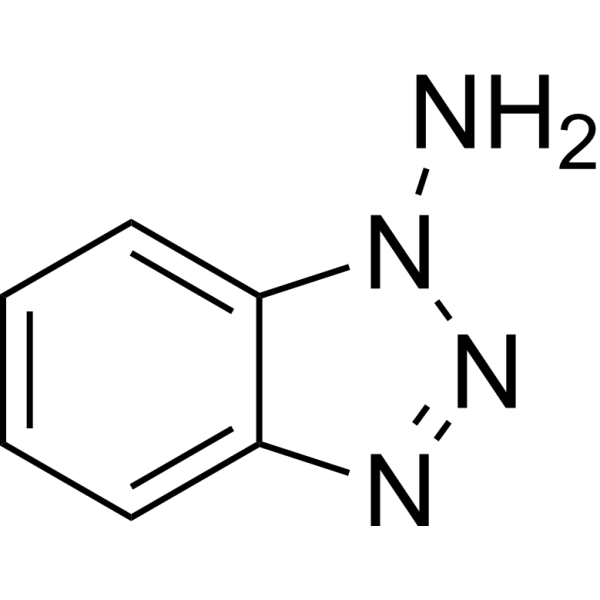 0 Images1-Aminobenzotriazole is a nonspecific and irreversible inhibitor of cytochrome P450 (P450).
-
Stiripentol
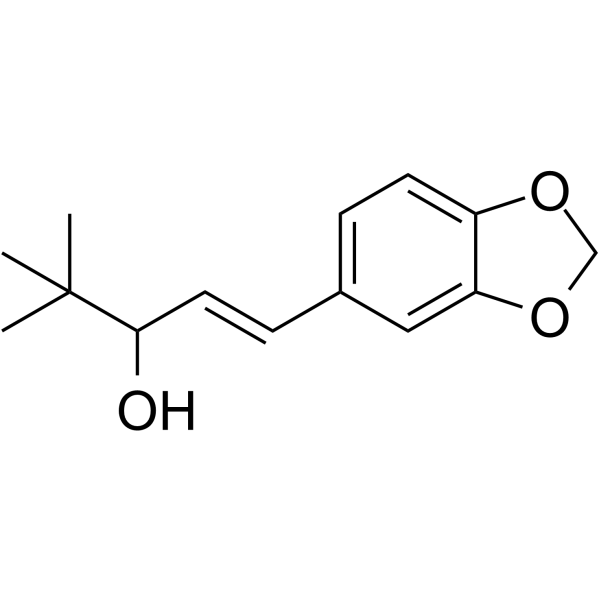 0 ImagesSynonyms: BCX2600
-
Omeprazole
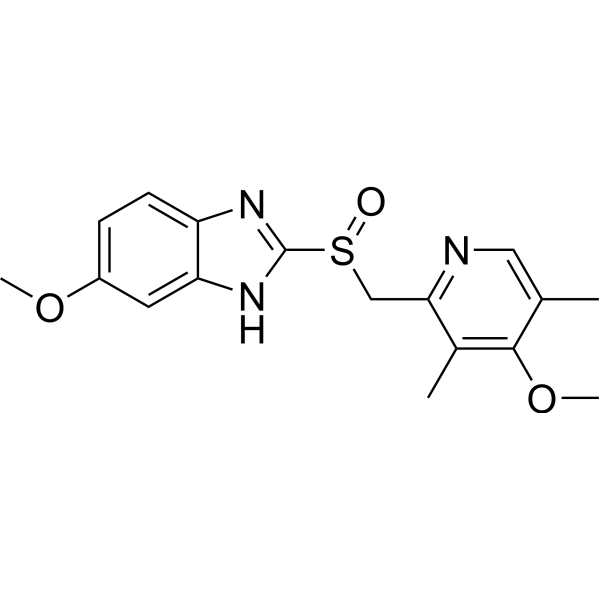 0 ImagesSynonyms: H 16868Omeprazole (H 16868) is an orally active H+,K+-ATPase inhibitor and a proton pump inhibitor. Omeprazole competitively inhibits CYP2C19, CYP3A4, and CYP2C9 activity. Omeprazole inhibits gastric acid secretion and can be used for acid-related gastrointestinal disorders. Omeprazole inhibits pancreatic cancer cell proliferation, induces apoptosis, autophagosome accumulation (elevated LC3-I and LC3-II levels), oxidative stress, and cytogenetic imbalance, modulates lysosomal transport, reduces inflammatory cytokines. Omeprazole alters small intestinal morphology and magnesium absorption, and induces gastric mucosa morphologic changes. Omeprazole also has neuroprotective and antibacterial effects.
-
Rebastinib
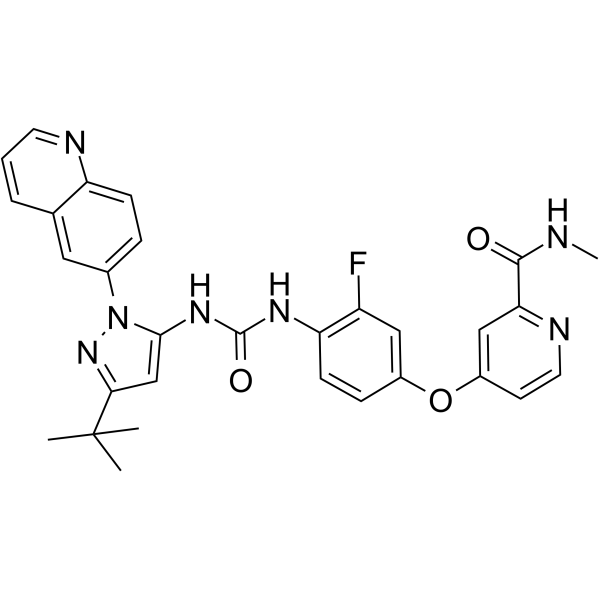 0 ImagesSynonyms: DCC-2036Rebastinib (DCC-2036) is an orally active, non-ATP-competitive Bcr-Abl inhibitor, with IC50 values of 0.8 nM and 4 nM against Abl1WT and Abl1T315I, respectively. Rebastinib potently inhibits CYP2C8 (IC50 = 0.0533 μM) and CYP2C9 (IC50 = 2.54 μM). Rebastinib allosterically inhibits Tie2 with an IC50 of 0.63 nM. Rebastinib inhibits the transcriptional activity of FoxO1. Rebastinib inhibits SRC family kinases, KDR and FLT3 kinases. Rebastinib induces Apoptosis. Rebastinib exerts anti-tumor activity in breast cancer. Rebastinib exerts anti-angiogenic effects. Rebastinib increases myotube diameter and improves reduced contractility. Rebastinib can be used in research related to triple-negative breast cancer, luminal breast cancer, pancreatic neuroendocrine tumors, muscle atrophy, cancer cachexia, chronic myeloid leukemia, and B-lymphocytic leukemia.
-
Gemfibrozil 1-O-β-glucuronide
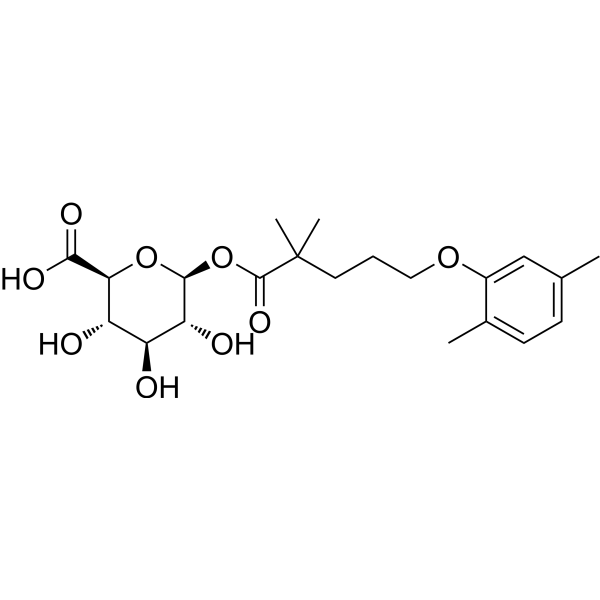 0 ImagesGemfibrozil 1-O-β-Glucuronide, a metabolite of Gemfibrozil (CI-719; HY-B0258), is a potent and competitive P450 (CYP) isoform CYP2C8 inhibitor with an IC50 of 4.07 μM.
-
Cepharanthine
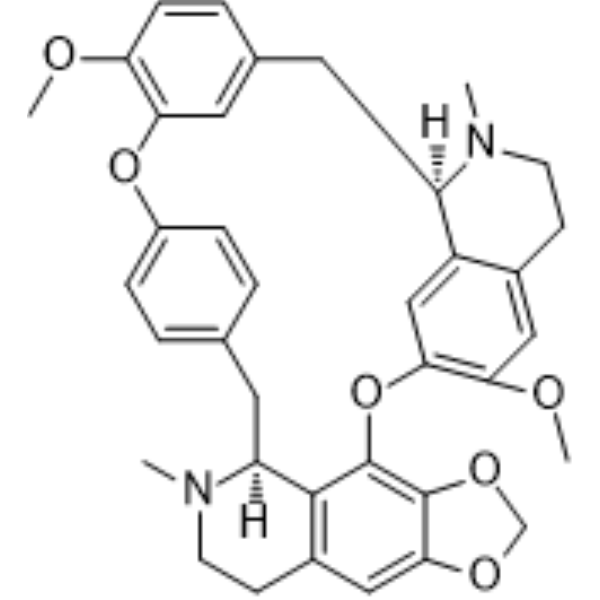 0 ImagesCepharanthine is a natural product that can be isolated from the plant Stephania cephalantha Hayata. Cepharanthine has anti-severe acute respiratory syndrome coronavirus 2 (anti-SARS-CoV-2) activities. Cepharanthine has good effective in suppressing viral proliferation (half maximal (50%) inhibitory concentration (IC50) and 90% inhibitory concentration (IC90) values of 1.90 and 4.46 μM. Cepharanthine can also effectively reverses P-gp-mediated multidrug resistance in K562 cells and increase enhances the sensitivity of anticancer agents in xenograft mice model. Cepharanthine shows inhibitory effects of human liver cytochrome P450 enzymes CYP3A4, CYP2E1 and CYP2C9. Cepharanthine has antitumor, anti-inflammatory and antinociceptive effects.
-
Paroxetine
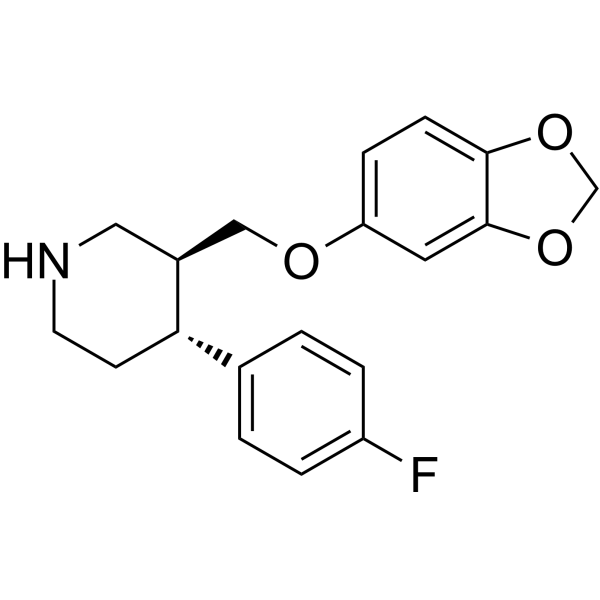 0 ImagesSynonyms: BRL29060Paroxetine (BRL29060) is an orally active and selective serotonin reuptake inhibitor (SSRI) and apoptosis inducer with blood-brain barrier permeability. Paroxetine inhibits nitric oxide synthase and CYP2D6, induces desensitization of 5-HT1A/1B/1D autoreceptors, downregulates 5-HT2 receptors, and promotes the production of inflammatory cytokines. Paroxetine is a weak norepinephrine (NE) uptake inhibitor and possesses antitumor activity. Paroxetine is widely used in research concerning depression, obsessive-compulsive disorder, panic disorder, social phobia, generalized anxiety disorder, post-traumatic stress disorder, premenstrual dysphoric disorder, hot flashes, and related conditions.
-
Salvianolic acid C
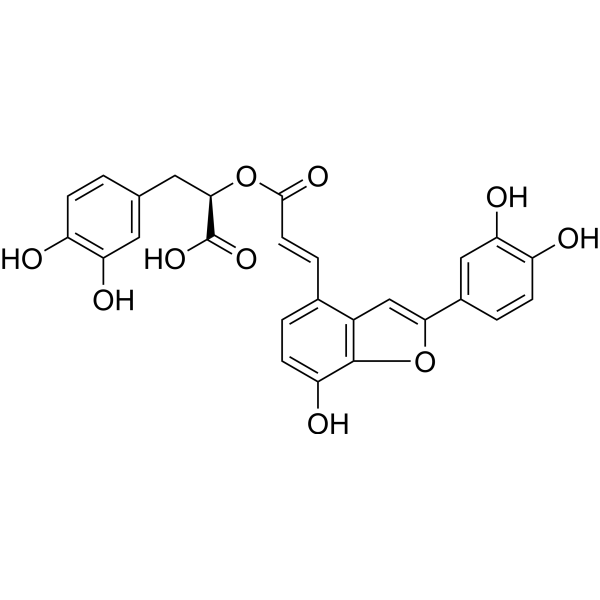 0 ImagesSalvianolic acid C is a noncompetitive Cytochrome P4502C8 (CYP2C8) inhibitor and a moderate mixed inhibitor of Cytochrome P45022J2 (CYP2J2), with Kis of 4.82 μM and 5.75 μM for CYP2C8 and CYP2J2, respectively.
-
Paroxetine hydrochloride
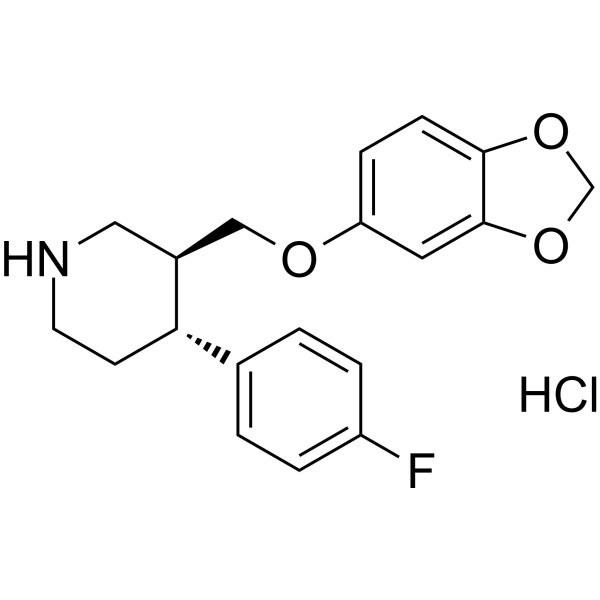 0 ImagesSynonyms: BRL29060 hydrochloride; BRL29060AParoxetine (BRL29060) hydrochloride is an orally active and selective serotonin reuptake inhibitor (SSRI) and apoptosis inducer with blood-brain barrier permeability. Paroxetine hydrochloride inhibits nitric oxide synthase and CYP2D6, induces desensitization of 5-HT1A/1B/1D autoreceptors, downregulates 5-HT2 receptors, and promotes the production of inflammatory cytokines. Paroxetine hydrochloride is a weak norepinephrine (NE) uptake inhibitor and possesses antitumor activity. Paroxetine hydrochloride is widely used in research concerning depression, obsessive-compulsive disorder, panic disorder, social phobia, generalized anxiety disorder, post-traumatic stress disorder, premenstrual dysphoric disorder, hot flashes, and related conditions.
-
(S)-Mephenytoin
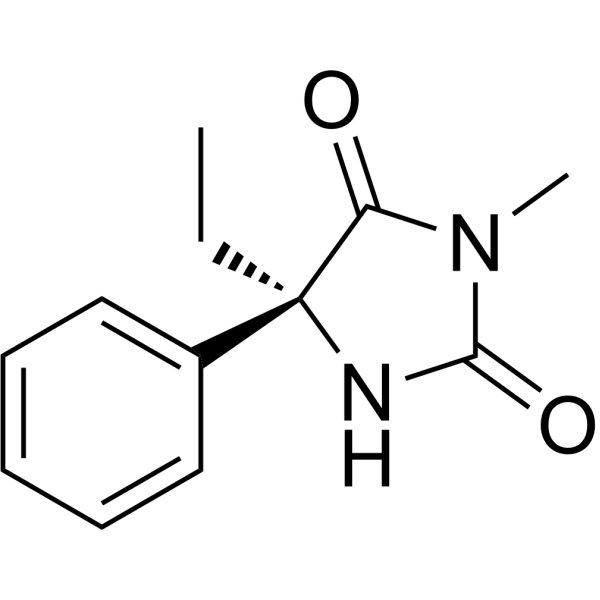 0 ImagesSynonyms: (+)-Mephenytoin(S)-Mephenytoin ((+)-Mephenytoin) is an anticonvulsive agent. (S)-Mephenytoin is a substrate of the cytochrome P450 (CYP) isoform CYP2C19. (S)-Mephenytoin can be used for the analysis of cytochrome P450 metabolism.
-
Ginsenoside C-K
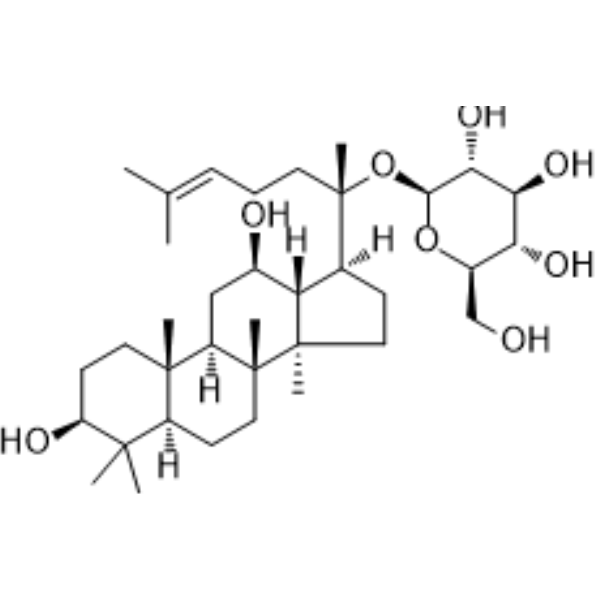 0 ImagesSynonyms: Ginsenoside compound K; Ginsenoside K
-
Fomepizole
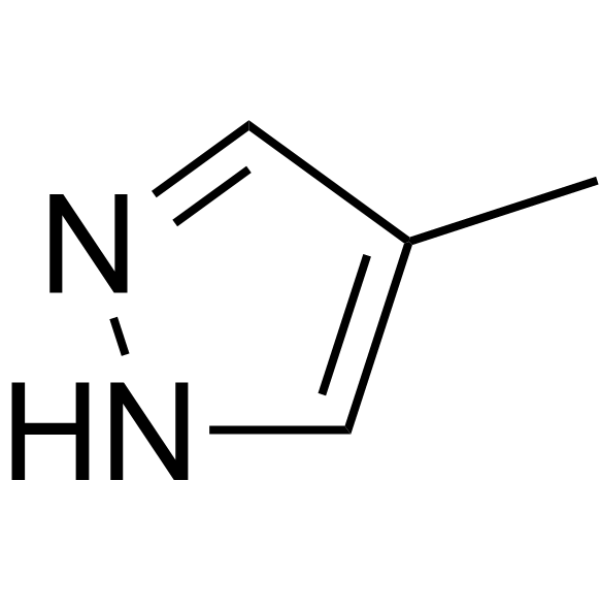 0 ImagesFomepizole (4-Methylpyrazole) is a potent cytochrome P450 (CYP2E1) inhibitor. Fomepizole is a competitive inhibitor of the enzyme alcohol dehydrogenase. Fomepizole blocks further conversion of methanol and ethylene glycol to toxic metabolites. Fomepizole has the potential for an antidote for ethylene glycol or methanol poisoning.
-
Gentiopicroside
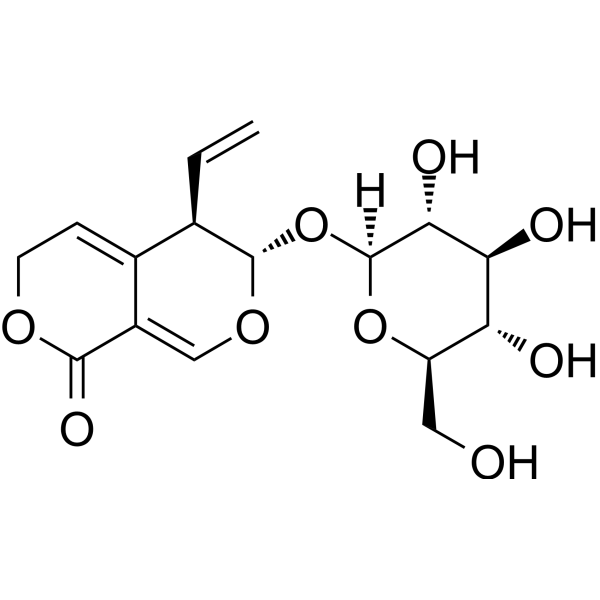 0 ImagesSynonyms: GentiopicrinGentiopicroside, a naturally occurring iridoid glycoside, inhibits P450 activity, with an IC50 and a Ki of 61 μM and 22.8 μM for CYP2A6; Gentiopicroside has anti-inflammatoryand antioxidative effects.
-
Sulfaphenazole
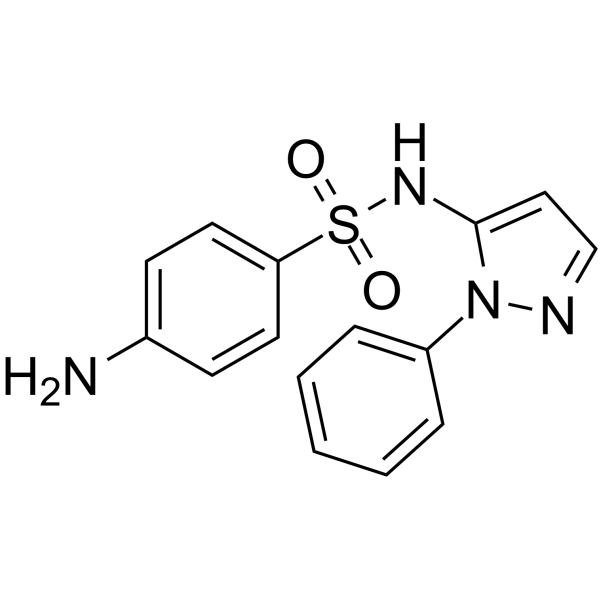 0 ImagesSulfaphenazole is a selective inhibitor of human cytochrome P450 (CYP) 2C9 enzyme. Sulfaphenazole is a cytoprotective agent against light-induced death of photoreceptors. Sulfaphenazole inhibits light-induced necrosis and mitochondrial stress-initiated apoptosis. Sulfaphenazole is an off patent sulfonamide antibiotic and demonstrates bactericidal activity through enhanced M1 macrophage activity. Sulfaphenazole can significantly reduce infarct size and restore post-ischemic coronary flow following ischemia and reperfusion.
-
Clopidogrel hydrogen sulfate
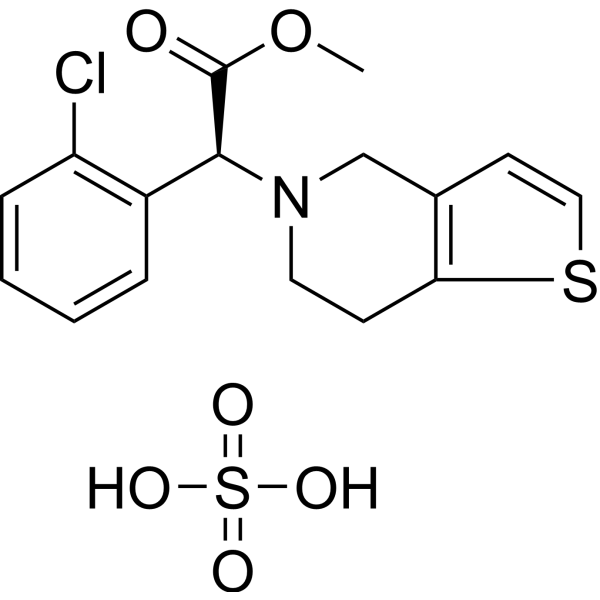 0 ImagesSynonyms: (S)-(+)-Clopidogrel bisulfate; (S)-(+)-Clopidogrel hydrogen sulfateClopidogrel hydrogen sulfate is an antiplatelet agent to prevent blood clots. Clopidogrel hydrogen sulfate inhibits CYP2B6 and CYP2C19 with IC50s of 18.2 nM and 524 nM, respectively. Clopidogrel hydrogen sulfate is a potent antithrombotic agent that inhibits ADP-induced platelet aggregation.Clopidogrel hydrogen sulfate also is an orally active P2Y(12) inhibitor.
-
Tetrahydrocurcumin
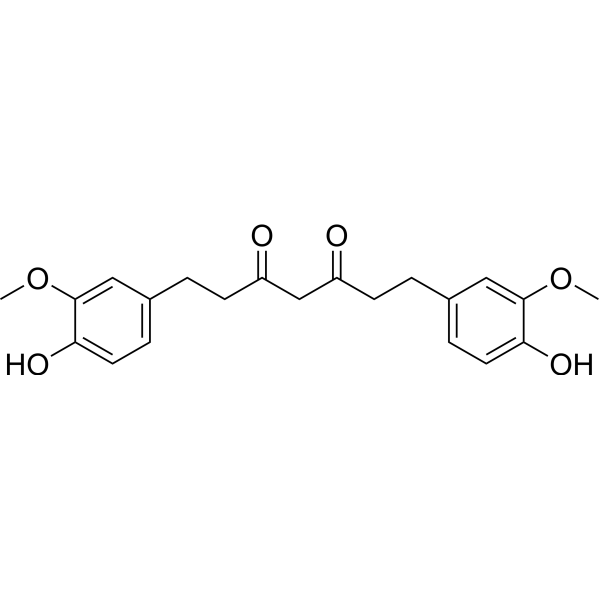 0 ImagesSynonyms: HZIV 81-2




